9+ curated guides • Updated October 2025
You're scrolling through your feed when a post from your favorite, long-departed musician pops up, announcing a new line of merchandise. It feels both comforting and deeply strange—a ghost in the machine selling t-shirts. This is the new reality of celebrity death, where a passing is no longer the end of a personal brand, but the beginning of a complex and controversial digital afterlife. These accounts are not dormant memorials; they are active, curated, and highly strategic media properties. Managed by a new class of digital undertakers—estate managers, social media firms, and record labels—these profiles walk a razor-thin line between honoring a legacy and exploiting it. This burgeoning industry forces us to confront uncomfortable questions about ownership, authenticity, and the very nature of identity in an age where our digital echoes can outlive us, and even be put to work.
We recognize Joaquin Phoenix's distinctive mumble and Tom Brokaw's measured delivery instantly. But what if the source of their iconic vocal signatures isn't just talent, but a triumph over a common birth defect? This is the hidden story of how a cleft palate didn't hinder, but instead forged, some of the most memorable voices in entertainment history. An actor's voice is their primary instrument, a tool honed through years of training. But for some, that instrument was fundamentally different from the start. This analysis moves beyond a simple list of names to deconstruct how the physical reality of a repaired cleft—and the rigorous work required to master speech—creates a vocal quality that is not flawed, but rather, uniquely resonant. It’s an exploration of how a scar, both literal and figurative, can become the source of an artist's most compelling sound.
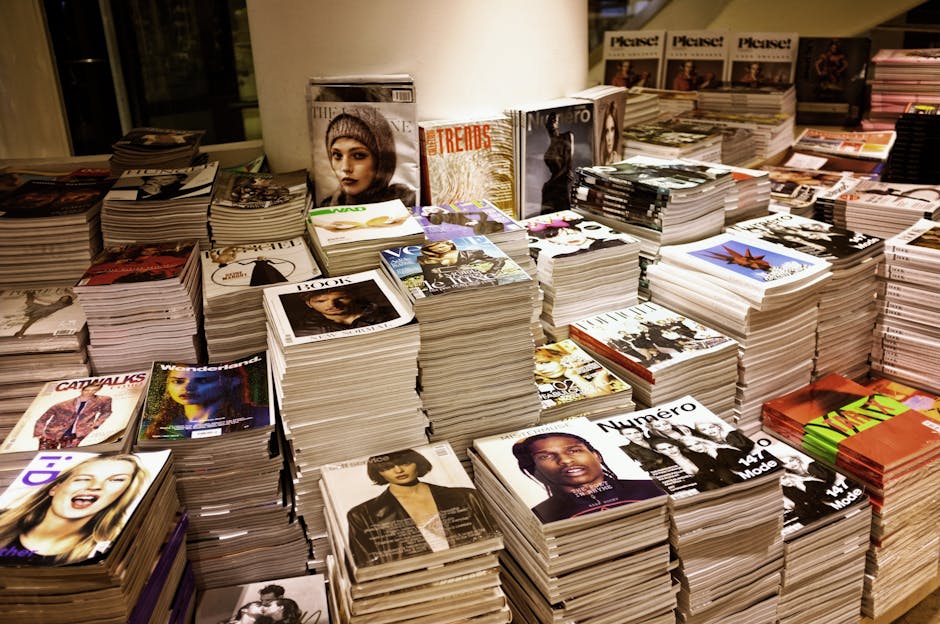
You've seen them steal every scene—the faces that aren't classically 'perfect' but are impossible to forget. While the internet debates their looks, in Hollywood casting rooms, these actors are considered a secret weapon. They possess a rare quality that conventional beauty can't buy: the power to convey a lifetime of stories with a single glance. For two decades, I’ve sat in rooms where a single, interesting face can greenlight a character. Forget the sanitized perfection you see on magazine covers; the real currency in this town is authenticity. This isn't about celebrating 'ugliness'; it's about recognizing the profound narrative power etched into a face that has character, history, and grit. It's the secret ingredient behind your favorite performances.
Ever feel like your online shopping feed is stuck on a loop, showing you the same five necklace styles and a slightly different version of that handbag everyone already owns? You're not imagining it; you're trapped in a 'style bubble' created by algorithms designed to sell you more of what you've already seen. But what if the most unique, truly 'you' accessories are hiding just outside that bubble, waiting to be discovered? This isn't just about shopping smarter; it's about reclaiming your digital identity and personal style from the machines that think they know you best.
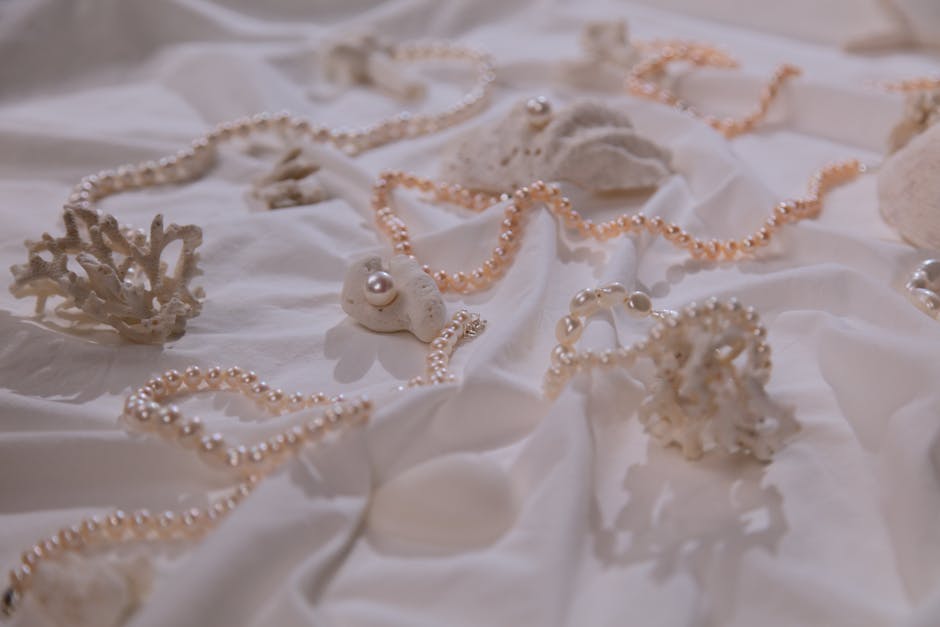
That delicate gold necklace in the velvet box carries a price tag that feels impossibly indulgent. But what if the real luxury isn't the item itself, but the lifetime of wear it offers? We've been trained to see fine jewelry as an expense, when we should be seeing it as the ultimate solution to the endless, costly cycle of fast fashion. This isn't about extravagance; it's about strategic acquisition. By shifting our focus from the initial price to the long-term cost-per-wear, we can dismantle the false economy of disposable trends and build a wardrobe portfolio that genuinely serves us—financially, stylistically, and sustainably.
Frank Ocean has always made his fans wait. His luxury jewelry brand, Homer, with its appointment-only viewings and staggering price tags, feels like the pinnacle of this elusiveness. But what if we're looking at it all wrong? This isn't just jewelry; it's a physical thesis on art, commerce, and what it means to be a fan in an era of manufactured desire. It challenges us to ask whether the most profound artistic statements of our time must be audible. Homer proposes a radical alternative: a silent album, meticulously crafted from enamel and lab-grown diamonds, its narrative embedded not in sound waves, but in the very systems of value and scarcity that define our culture.
You've seen it shimmering on the H&M rack—the chain scarf. It's bold, a little intimidating, and it's calling to a more daring version of you. Before you dismiss it as 'too much' or a fleeting trend, consider this: what if this one accessory is the cheapest experiment you can run to unlock a whole new level of personal style? This isn't just another piece of metal; it's a litmus test. For less than the cost of a weekend brunch, this single item offers a portal into the high-fashion hardware trend that has dominated runways from Bottega Veneta to Givenchy. We're not just reviewing an accessory; we're proposing a hypothesis: that this chain scarf can tell you more about your style evolution than a dozen magazine quizzes.
We tune into Celebrity MasterChef India to see our favorite stars fumble with spatulas and stress over plating. But what if the real competition isn't for the trophy, but for a complete career reinvention? This isn't just a cooking show; it's the most effective public relations stage in Indian entertainment today. The meticulously crafted personas we see on screen are often the result of years of media training and careful image curation. The MasterChef kitchen, however, offers a raw, unfiltered environment where that polish is stripped away, replaced by the universal language of food, frustration, and triumph. For a celebrity brand, this is both a high-risk gamble and a golden opportunity to connect with an audience on a level a blockbuster film or a magazine cover simply cannot reach.
If you've searched for 'Rabeanco shoes' and come up empty, you're not alone. While the beloved leather goods brand doesn't have a major footwear line, its design soul—that perfect blend of minimalist form, quality materials, and everyday luxury—absolutely exists in the shoe world. Consider this your official guide to the footwear brands that are Rabeanco's spiritual twins. Instead of a fruitless search, we're embarking on a more rewarding mission: decoding the Rabeanco aesthetic and identifying the footwear architects who speak the same silent language of quality and form. This is about finding not a product, but a principle. We'll deconstruct the core tenets of Rabeanco's design—from its obsession with material purity to its architectural approach to shape—and then introduce you to the five brands that embody this philosophy from the ground up.